Why MBR City Villa Supply Is Tighter Than You Think


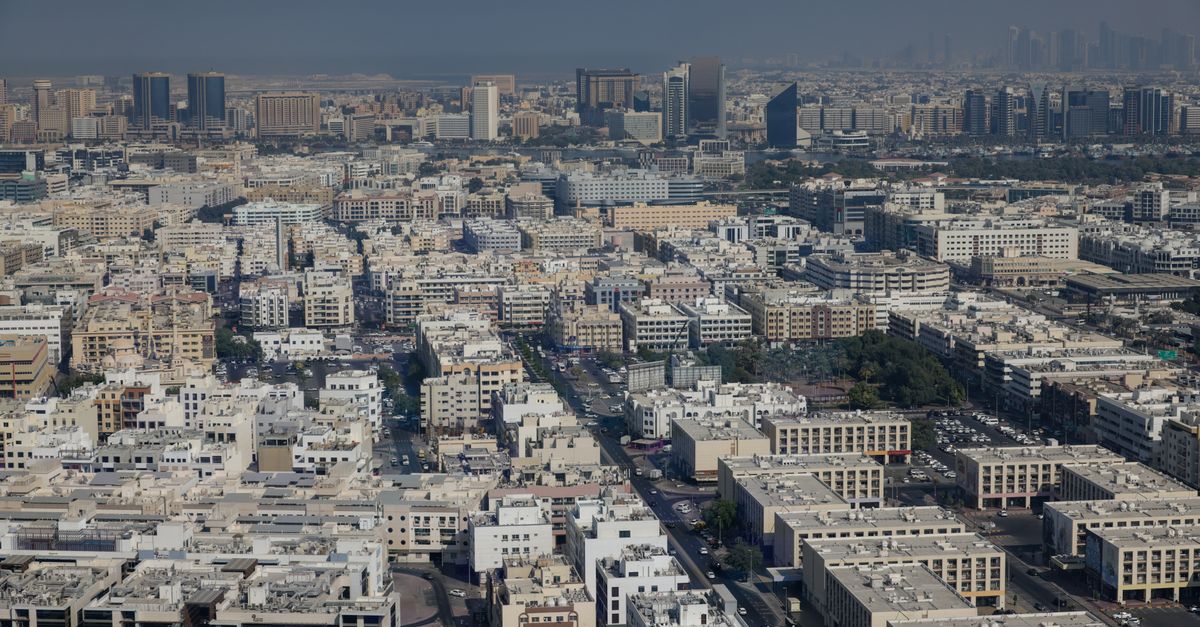
Short answer: Dubai's headline delivery pipeline is dominated by apartments in peripheral districts. Central villa land is effectively finite: Mohammed Bin Rashid City communities are measured in dozens of villas, not thousands, the current wave completes in 2026–2027, and there is very little developable villa land left in the district. Supply that cannot be added is the reason central villa prices behave differently from the wider market.
Key takeaways
- Dubai's pipeline is overwhelmingly apartments and overwhelmingly peripheral — Dubailand, Dubai South, JVC, Arjan.
- Villas are a minority of new supply, and central villas are a minority of that minority.
- MBR City developments run to 32, 37 or 40-odd units. That is the scale of the entire community, not a phase.
- Land, not construction capacity, is the constraint. You cannot release more plots at a fixed radius from Downtown.
- This is why villa prices in prime districts rose 35–55% between 2022 and 2026 while rents rose far less — a scarcity signal, not a yield signal.
The pipeline number that misleads everyone
Read any Dubai market report and you will meet a very large delivery number — tens of thousands of units a year. It is accurate, and for a villa buyer in central Dubai it is almost entirely irrelevant.
Break it down and the reason becomes obvious:
- Apartments dominate. The overwhelming majority of Dubai completions are apartments, because apartments are how you build density and density is how a masterplan pays for infrastructure.
- Villa supply skews peripheral. New villa and townhouse communities are concentrated in Dubailand, Dubai South, Damac Lagoons, Al Furjan and the Emirates Road corridor — 30 to 50 minutes from the centre.
- Central villa land is spoken for. Jumeirah, Al Safa, Umm Suqeim, Nad Al Sheba, Meydan and MBR City are largely built or committed. There are no unallocated hundred-hectare villa parcels at that radius.
So the correct question is not “how many homes is Dubai building?” It is “how many villas is Dubai building within fifteen minutes of Downtown, and where would it put them?” The answer to the second half of that question is what caps the first.
How small are MBR City communities really?
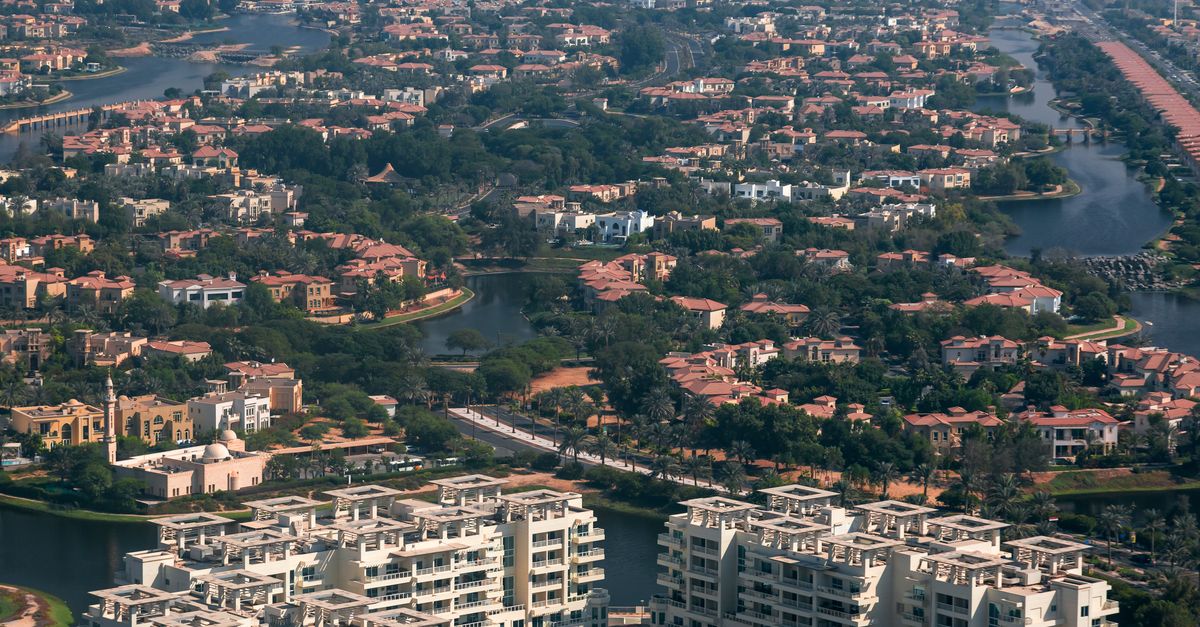
The scale here is genuinely different from what most buyers assume, because Dubai's reputation is built on very large projects.
| Community type | Typical unit count | Example |
|---|---|---|
| Peripheral master community | 2,000 – 10,000+ units | Large Dubailand and Dubai South communities |
| Established central-ish villa community | 1,500 – 4,000 units | Arabian Ranches, Dubai Hills Estate |
| MBR City villa community | 30 – 80 villas | Selora Residences: 32 villas total |
Scale comparison. In MBR City, the figure quoted is the entire community, not a phase within one.
To make that concrete with our own numbers: Selora Residences is 32 villas in total — 18 four-bedroom Luz villas, eight five-bedroom Vela villas, and six six-bedroom villas across two types. Lua Residences is a similarly limited collection across four villa types. These are not launch phases with more to follow. That is the whole community, permanently.
The consequence for an owner is unusual. In a 3,000-unit community, your villa is one of roughly 400 identical units and its price is set by whichever of them is currently most motivated to sell. In a 32-villa community, there may be one comparable on the market in a year — or none.
Why land is the binding constraint
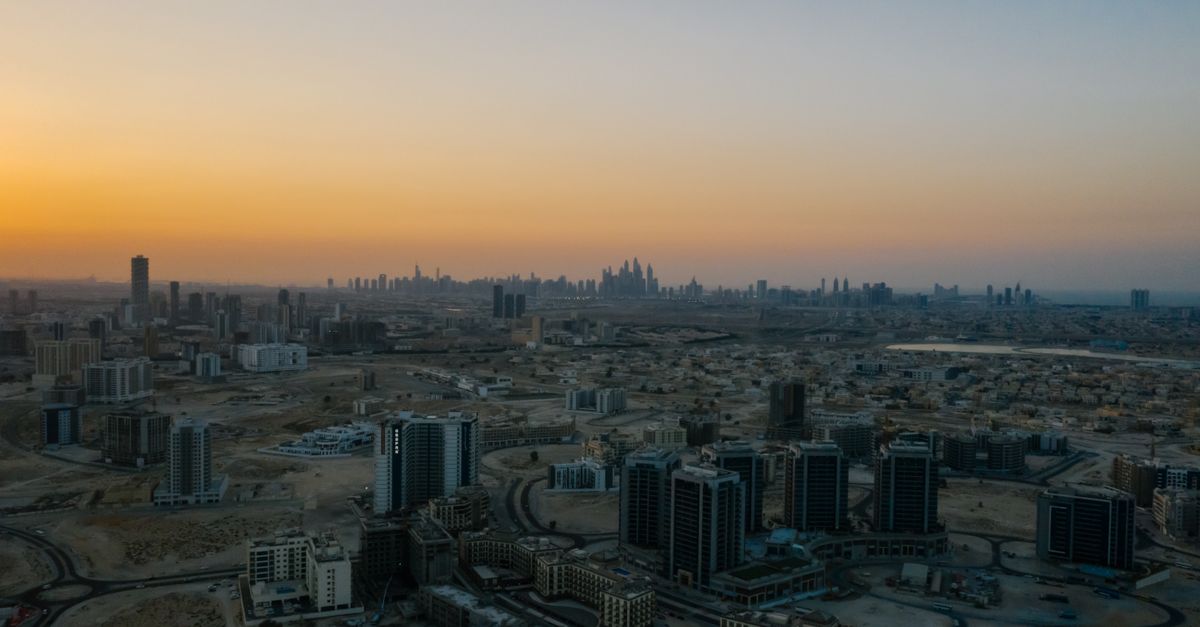
Construction capacity in Dubai is not scarce. Cranes, contractors, labour and materials can all be scaled, and the market demonstrates this continuously. Land at a given radius from the centre cannot be scaled at all.
- Villas consume land inefficiently by design. A 4,700 sq ft villa with a private pool, garden and setbacks occupies land that would carry perhaps twenty apartments.
- Masterplan density controls are fixed. The MBR City plan allocates villa densities that a developer cannot unilaterally increase.
- Central plots have alternative uses that pay more per square metre. Anyone holding developable land near Downtown compares villa returns against apartment or hotel returns, and villas usually lose that comparison.
- The 2026–2027 wave is late in the cycle. Once these communities hand over, meaningful new District 11 villa supply requires land that is not obviously there.
This is a structural argument, not a cyclical one. A downturn would move prices — as downturns do — without adding a single hectare of central villa land. That is the difference between scarcity and momentum, and it is why we have written about the shortfall of luxury villas in Dubai as a supply question rather than a demand story.
What the price and rent data shows
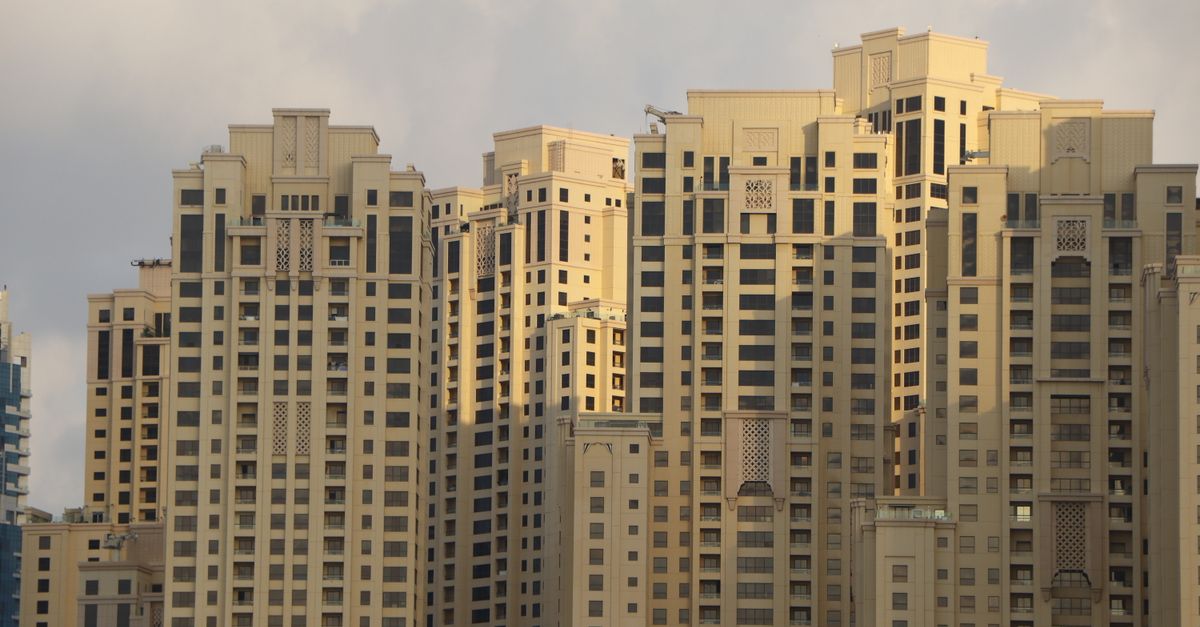
If the scarcity thesis is right, you would expect villa prices to have run well ahead of villa rents — because prices respond to ownership demand against fixed supply, while rents are capped by household income. That is exactly what the data shows.
| Signal | Villas | Apartments | What it implies |
|---|---|---|---|
| Capital growth 2022–2026 (prime communities) | 35% – 55% | Lower | Prices bid up against fixed supply |
| Gross rental yield 2026 | ~4.98% | ~7.15% | Rents have not kept pace with prices |
| Yield direction | Compressed | Broadly stable | Classic scarcity signature |
| New supply | Limited, peripheral | Large, ongoing | The constraint is geographic, not financial |
Yield compression alongside strong price growth is what supply-constrained assets do. See our 2026 rental yields analysis for the underlying figures.
Read that table honestly and it says two things at once. Villas have been an excellent capital asset and a mediocre income asset, and the second fact is a direct consequence of the first. A yield of 4.98% against 7.15% is not villas underperforming; it is villa prices having already captured the scarcity that rents cannot.
The corollary is the part sellers do not enjoy: yield compression is not infinite. At some price, an owner-occupier prefers to rent and invest the difference. The scarcity argument explains why central villa prices have risen; it does not license any price.
What this means if you are buying
- Treat central villa supply as fixed, not as a pipeline. Do not assume a better-priced equivalent arrives next year, because there may not be a plot for it.
- Plot position is a permanent asset. In a 32-villa community, lagoon frontage or a corner plot cannot be replicated. Pay attention to it at purchase; it is the thing you cannot fix later.
- Accept thinner liquidity as the price of scarcity. Fewer comparables means slower price discovery, which cuts both ways.
- Do not buy scarcity for yield. If income is the objective, apartment districts pay two percentage points more. The numbers are in our 2026 yields analysis.
- Verify the total unit count before you buy. Ask whether the number quoted is the community or a phase. It is a one-sentence question with a large answer.
We build here, so we have an obvious interest in this argument being true. The check on that is whether the supply data holds up independently — so ask any developer, including us, for the total unit count, the masterplan density and what remains undeveloped in the district. Ours is available on request, and the wider district picture is in our District 11 area guide.
Frequently asked questions
Is there a villa shortage in Dubai?
Not across the whole market — Dubai is delivering large volumes of villas and townhouses in peripheral districts such as Dubailand, Dubai South and the Emirates Road corridor. The shortage is specific to central locations, where developable villa land is effectively exhausted and cannot be added.
How many villas are in a typical MBR City community?
Dozens rather than thousands. Selora Residences, for example, is 32 villas in total — 18 four-bedroom, eight five-bedroom and six six-bedroom units. That figure is the entire community, not a phase, which is a very different structure from a master community of several thousand units.
Why are Dubai villa yields lower than apartment yields?
Because villa prices are set by owner-occupier demand against a fixed land supply, while villa rents are capped by what a household can pay. Prices in prime villa communities rose 35% to 55% between 2022 and 2026 without rents rising proportionally, which compressed yields to about 4.98% against roughly 7.15% for apartments.
Will more villas be built in MBR City?
Very little developable villa land remains in the district, and masterplan density controls limit what can be built on what is left. The current delivery wave largely completes across 2026 and 2027, after which meaningful new villa supply would require land that is not readily available at that radius.
Does limited supply guarantee prices will rise?
No. Fixed supply explains why central villa prices have risen faster than the wider market and why they behave differently in a downturn, but it does not justify any particular price. Yield compression has limits: at some point buyers prefer to rent and invest the difference.
How can I verify a community's total unit count?
Ask the developer directly whether the number quoted is the entire community or a phase, and cross-check the project registration and masterplan through the Dubai REST app or the Dubai Land Department. Any developer worth buying from will answer that question without hesitation.
Sources & further reading: Dubai Land Department · Dubai REST app
Written by Faizan Ahmed, Digital & SEO Lead, Swank Development. Last updated 6 September 2026. Figures are indicative and were verified against official UAE government sources at the time of writing; always confirm current fees with the Dubai Land Department or your conveyancer.