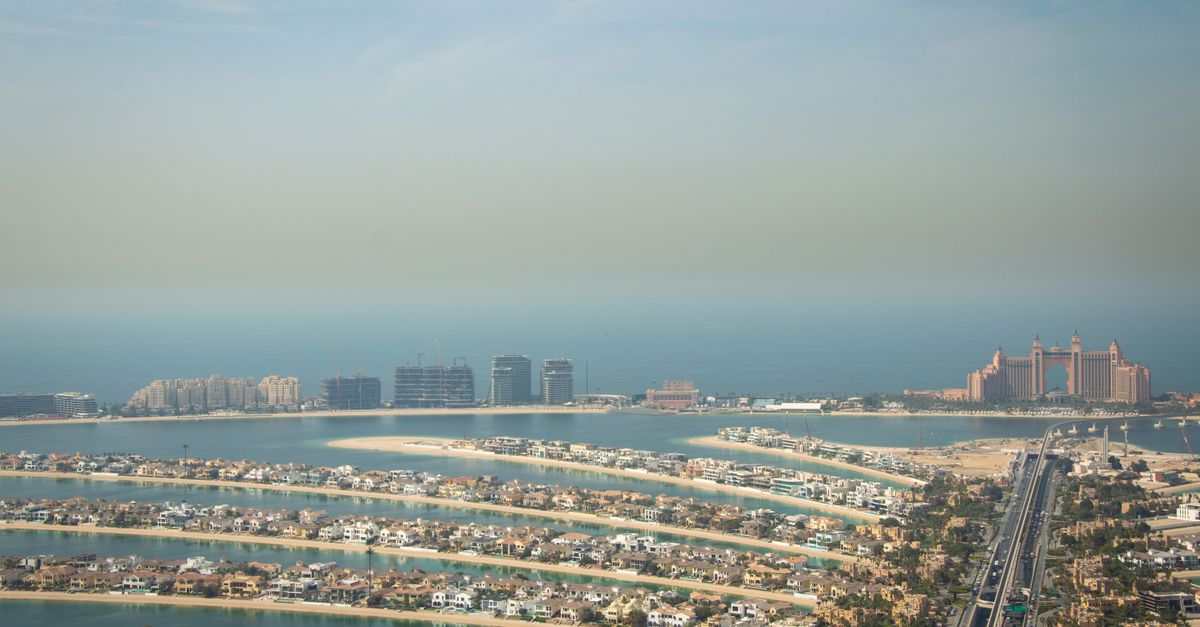
UAE Developers vs International Developers, What Buyers Should Know in 2026


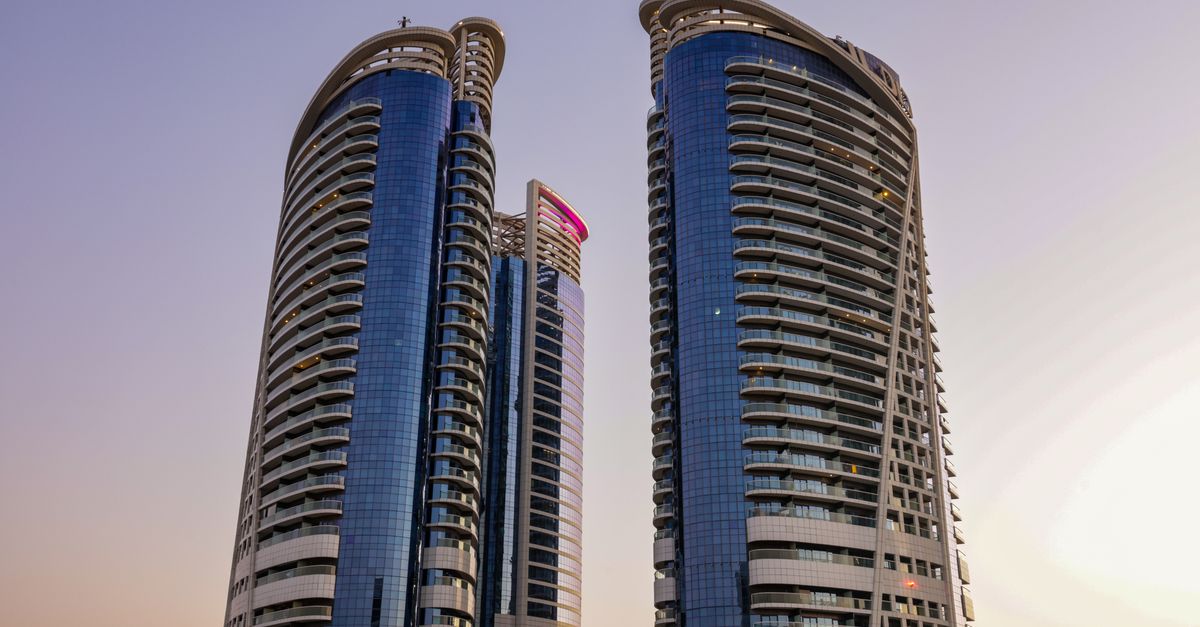
Short answer: UAE developers differ from developers in markets like the UK or Canada mainly in how much they sell before building. Off plan sales in Dubai were worth AED 45.7 billion in the third quarter of 2026, against AED 25.1 billion for ready homes. Buyer money must sit in a project escrow account, and developers carry 10 years of liability for structural defects. That's strong protection, but it only works if you check the developer first.
Key takeaways
- Off plan sales in Dubai were worth AED 45.7 billion in Q3 2026, compared with AED 25.1 billion for ready homes, so most buyers deal with a developer before the home exists.
- Dubai Law No. 8 of 2007 requires every off plan payment to go into an escrow account in the project's name, used only to build that project.
- Developers in Dubai are liable for structural defects for 10 years from the completion certificate and for installations for one year from handover.
- In England, deposit cover under NHBC's Buildmark is typically 10% of the price up to GBP 100,000, and in Ontario, Tarion protects freehold deposits up to CAD 100,000.
- Big and boutique developers work under the same Dubai rules, so the real test is the project's escrow, registration and delivery record, not the size of the brand.
What makes UAE developers different from international developers?
The short version: Dubai developers sell homes long before they're finished, and the law is built around that. If you're used to buying a finished house in Manchester or Mississauga, the biggest change is that you'll often pay for a home you can't yet walk around.
The numbers show how central off plan is. Savills data reported by Khaleej Times on 13 October 2026 put off plan sales at AED 45.7 billion in the third quarter, against AED 25.1 billion for ready homes. Ready sales were rising and off plan falling, but off plan was still the larger market.
That model shapes everything else. Developers raise much of their building money from buyers in stages. Payment plans replace bank finance during construction. And regulators focus hard on where the money sits, because a buyer who's paid 40% of a villa that doesn't exist yet carries real risk.
It's also fast. Cavendish Maxwell data reported by Khaleej Times showed 24,800 new homes delivered in Dubai in the first half of 2026, up 37.6% on a year earlier, with about 162,500 units expected in 2027. That pace is why buyers here should think about future supply as well as the developer.
None of this makes Dubai developers better or worse than ones abroad. It makes them different, and the differences are worth understanding before you sign.
How does Dubai protect off plan buyers?

With escrow, mainly. Dubai Law No. 8 of 2007 sets the rules, and they're stricter than many international buyers expect.
- A developer must be entered in the Register of Real Estate Developers and licensed before it can sell (Article 4).
- It needs written approval from the Land Department before advertising off plan units (Article 5).
- To open an escrow account, it must show a title deed to the land, approved designs and a certified financial statement (Article 6).
- The escrow account is in the project's name, used only to build that project, and the developer's creditors can't touch it (Article 9).
- After completion, 5% is held back and released one year after units are registered in buyers' names (Article 14).
The penalties have teeth. Misusing project money can bring jail and fines of at least AED 100,000, and a developer can be struck off for failing to start building within six months of off plan approval. If a project stalls, the escrow agent has to act with the Land Department to finish it or refund buyers.
Your sale is also logged on the interim register, known as Oqood, from day one. That's a public record of your purchase long before there's a title deed. Our guide on how to check a developer with RERA shows how to confirm the registration and escrow details yourself, and our guide to delays and refunds covers what happens if handover slips.
How do Dubai buyer protections compare with the UK and Canada?
Each market protects new home buyers in its own way. Dubai leans on escrow before handover and the law after it. England relies largely on warranty and insurance schemes. Ontario has a statutory body, Tarion, that backs deposits and warranties.
| Protection | Dubai | England (NHBC Buildmark) | Ontario (Tarion) |
|---|---|---|---|
| Money paid before completion | All off plan payments held in project escrow | Deposit cover typically 10% of price, up to GBP 100,000 | Freehold deposits up to CAD 100,000 (10% of price above CAD 600,000); condos up to CAD 20,000 |
| Early defects | 1 year on installations from handover | 2 year builder warranty | Statutory warranty after possession |
| Structural defects | 10 years from completion certificate | 8 years of insurance after the builder warranty | Statutory warranty after possession |
| Delayed handover | Contract terms and Dubai delay rules | Contract terms | Delay compensation up to CAD 7,500 |
Sources: Dubai Law No. 8 of 2007 and Law No. 6 of 2019, Article 40; NHBC Buildmark page; Tarion deposit and pre closing protection pages. All checked 12 November 2026.
Dubai's escrow is the stand out. In England and Ontario, deposit cover is capped. In Dubai, every off plan payment, not just the deposit, has to sit in the project account. Where Dubai is thinner is the early warranty: one year on installations is short next to NHBC's two year builder period.
On structure, Dubai is firm. Under Article 40 of Law No. 6 of 2019, the developer must fix structural defects for 10 years from the completion certificate, and any contract that tries to cut that is void. The new UAE Civil Code, in force since 1 June 2026, keeps ten year liability for contractors and engineers in Articles 821 to 824, and it still can't be contracted out of.
Are big developers safer than boutique developers?
Not automatically. Every developer in Dubai, large or small, works under the same escrow law, the same registration rules and the same 10 year structural liability. Size helps with some things, like financial depth and a long delivery record. It doesn't change your legal protection.
What size does change is the product. The largest developers build whole districts with thousands of units, schools and malls, and they sell in big launches. Boutique developers build fewer homes, often in a single community, and spend more time per villa on layout and finish. Our guide to boutique developers in Dubai looks at that trade off.
We're on the boutique side. Our Selora Residences in District 11, MBR City, is 32 villas: 18 four bedroom homes of 4,667 sq ft, 8 five bedroom homes of 5,543 sq ft and 6 six bedroom villas. A project that size lives or dies on detail, and buyers can see the whole community at once.
My view is simple. Judge the project, not the logo. A well funded small project with its escrow in order is a better bet than a weak phase from a famous name, and the reverse is also true.
Do international developers build differently in Dubai?
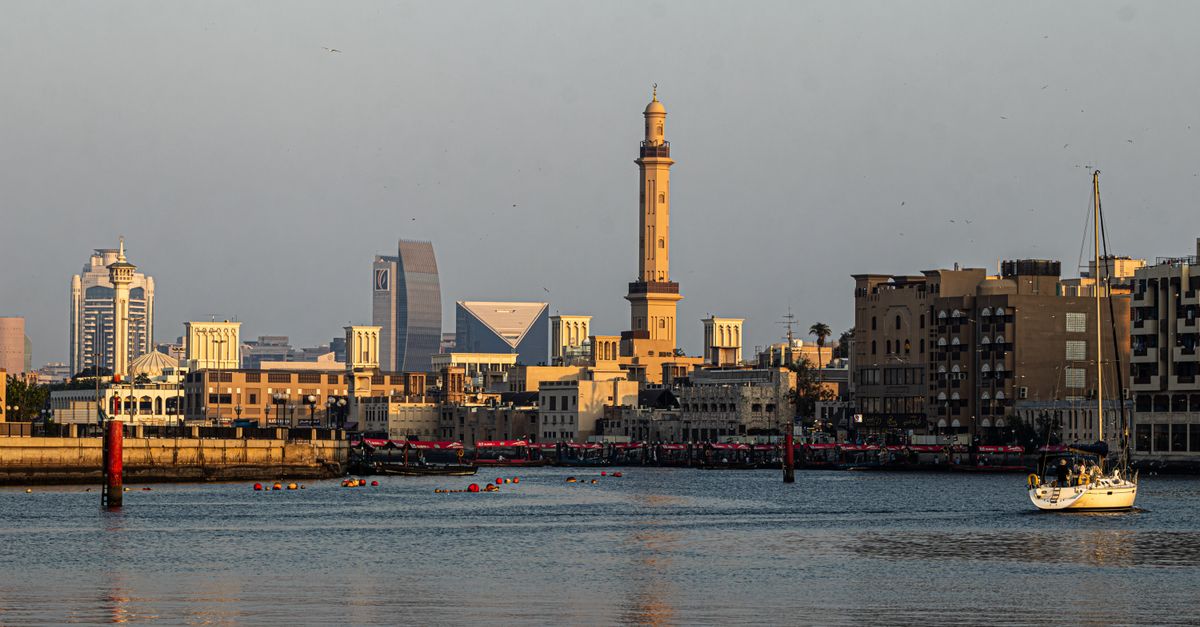
Developers from abroad who launch in Dubai have to follow exactly the same rules as local ones: registration, Land Department approval, escrow, Oqood and the 10 year structural liability. There's no lighter regime for an overseas brand, and no stricter one either.
Where you do see differences is in habits. Developers from markets that build to order may sell later in construction and offer fewer layout choices. Others bring home market specifications, from glazing to kitchen brands, that suit their usual buyers. Neither approach is better by default. Ask to see a finished unit they've delivered, ideally in Dubai, before you trust a render.
The other difference is local track record. A developer with decades of history abroad may have only one or two handovers in Dubai, and handover is where Dubai projects get tested: completion certificates, snag lists, service charge budgets and owners association set up. Check how its first Dubai project actually went.
If you're weighing an off plan home from any developer against a finished one, our guide to off plan vs ready property sets out the numbers on both sides.
How do you check a developer before you buy in Dubai?
Do it before you pay a deposit. It takes an afternoon and costs nothing.
- Confirm the developer is registered with RERA and that the project has Land Department approval for off plan sales.
- Get the escrow account number and bank from the sale and purchase agreement, then check it against the project record.
- Look up the project's reported construction progress and compare it with the payment plan you're being offered.
- Read the delay and termination clauses, including what you get if handover slips.
- Visit at least one community the developer has already handed over and speak to owners there.
- Book a snagging inspection before you accept the keys, while the one year installation warranty is still running in full.
That last point matters more than buyers think. Our guide to property snagging in Dubai explains what inspectors look for and why the first year is your best window to get defects fixed at the developer's cost.
Frequently asked questions
Are UAE developers regulated?
Yes. In Dubai, Law No. 8 of 2007 requires developers to be registered and licensed, to get Land Department approval before advertising off plan units and to hold buyers' payments in a project escrow account. Misusing project funds can bring jail and fines of at least AED 100,000.
Is my money safe with a Dubai developer?
Off plan payments must go into an escrow account in the project's name, used only to build that project, and the developer's creditors can't attach it. If a project isn't completed, the escrow agent must act with the Land Department to finish it or refund buyers. Always pay into the escrow account named in your contract.
How long is a developer liable for defects in Dubai?
Under Article 40 of Dubai Law No. 6 of 2019, the developer must fix structural defects for 10 years from the completion certificate and repair installations such as electrical and plumbing systems for one year from handover. Contract terms that cut those periods are void.
How does Dubai compare with England for new home protection?
Dubai holds every off plan payment in escrow, while NHBC's Buildmark in England covers deposits for builder insolvency, typically 10% of the price up to GBP 100,000. England's builder warranty runs two years, longer than Dubai's one year on installations, followed by eight years of insurance.
Is it better to buy from a big developer or a boutique one in Dubai?
Both work under the same escrow law, registration rules and 10 year structural liability, so your legal protection is the same. Big developers offer long delivery records, while boutique developers build fewer homes with more attention per unit. Judge the specific project's escrow, progress and the developer's past handovers.
Do foreign developers in Dubai follow different rules?
No. A developer from abroad launching in Dubai follows the same registration, Land Department approval, escrow and liability rules as a local developer. The practical difference is track record, so check how its first Dubai handovers went before you buy.
Sources & further reading: Dubai Law No. 8 of 2007 on escrow accounts · Dubai Law No. 6 of 2019, jointly owned property · Charles Russell Speechlys, decennial liability under the new UAE Civil Code (2026) · NHBC, Buildmark warranty · Tarion, Deposit protection · Tarion, Protection before closing · Khaleej Times, Savills Q3 2026 Dubai report (13 Oct 2026) · Khaleej Times, Cavendish Maxwell H1 2026 deliveries (30 Jul 2026)
Written by Faizan Ahmed, Digital & SEO Lead, Swank Development. Last updated 12 November 2026. Figures are indicative and were verified against official UAE government sources at the time of writing; always confirm current fees with the Dubai Land Department or your conveyancer.